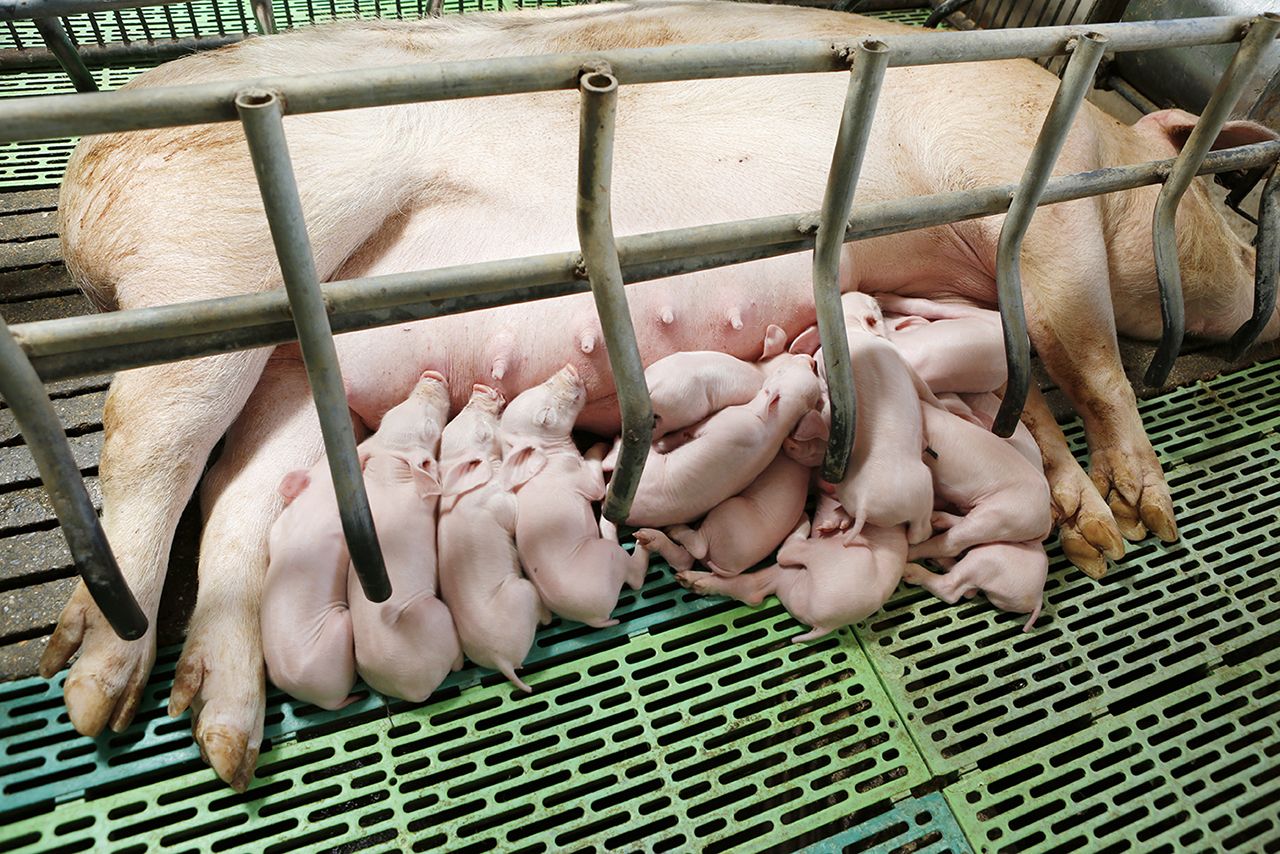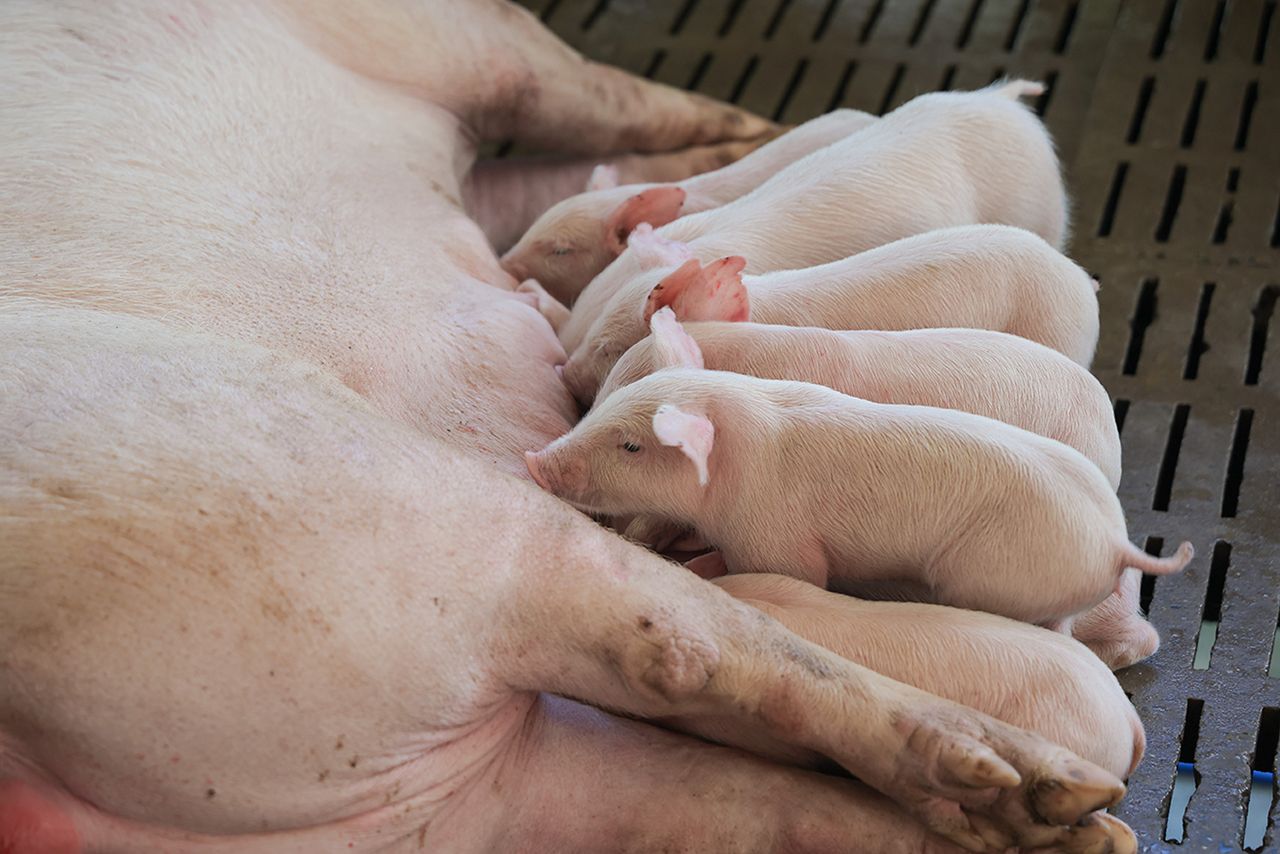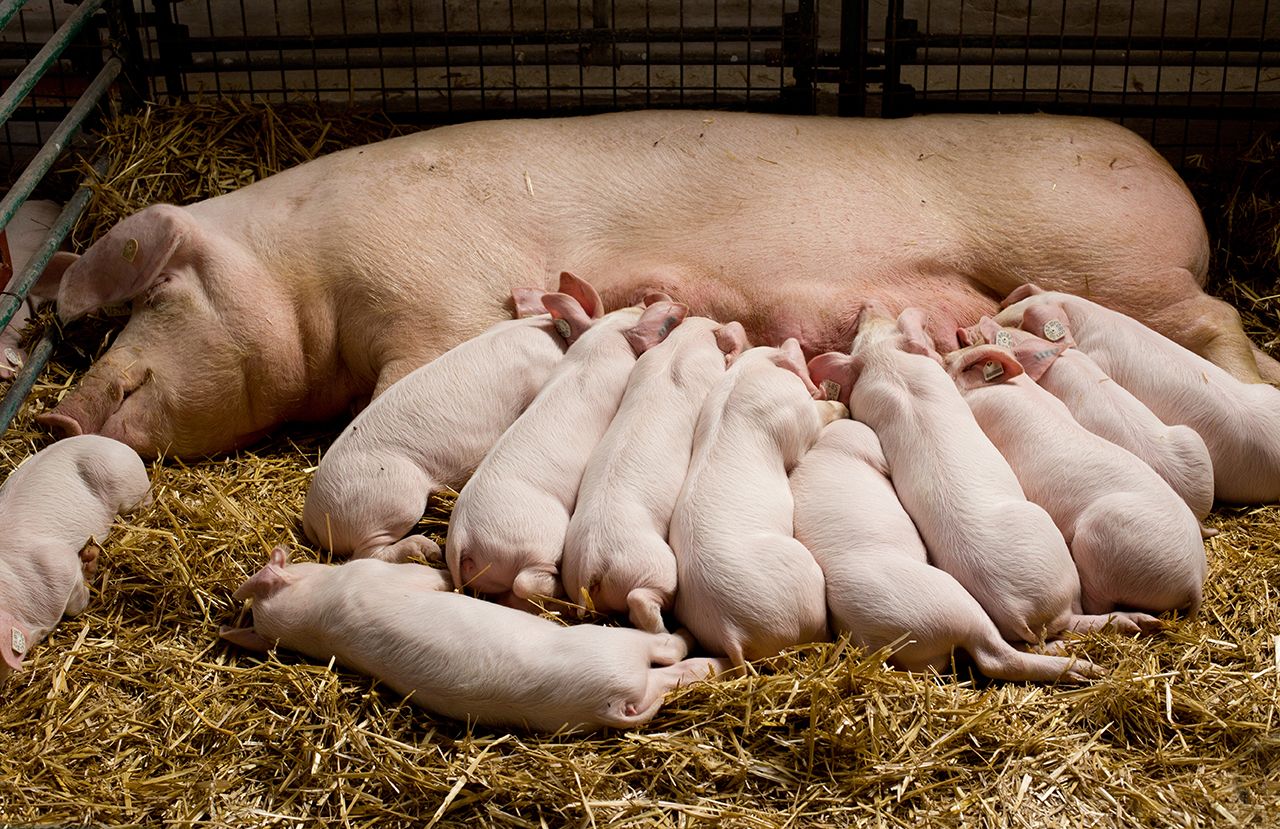

During lactation, sows face major challenges, and their energy needs increase drastically to support milk production. If these needs are not met through feed, the sow enters a negative energy balance, impacting her health, fertility, and longevity, as well as litter growth and overall performance. While denser feeds are often offered during this critical period, nutrient requirements are still frequently unmet, making a clear nutritional strategy essential.

After farrowing, milk production pushes sows into negative energy balance, leading to body reserve mobilization, reflected by weight loss and backfat reduction. If these losses are too severe, repercussions are seen on sow performance: lower fertility rates, longer weaning-to-estrus intervals, and ultimately higher replacement rates.
With gilt purchase costs and lower performance in first parities, profitability only starts from parity 3. Then early culling represents a major financial loss. The objective is therefore to ensure sows reach parity 3 to 6, the most productive parities, which is crucial for herd profitability.

Beyond sow longevity, milk production is key to piglet development and farm profit. Sow feed intake directly impacts the quality, and the quantity of milk produced, which in turn benefits the litter weight at weaning: the more the sow consumes, the heavier the piglets.
Heavier piglets grow faster to market weight, require less feed, shorten their stay on the farm and deliver higher returns. Supporting the sow’s nutrition during lactation is therefore essential not only for her performance, but also for maximizing piglet growth and overall farm efficiency.

In sows, nutrition plays a central role in minimizing the negative effects of the energy imbalance that occurs during lactation. A well-designed feeding strategy helps support body reserves, maintain weight and backfat, and sustain milk production. By addressing these challenges, targeted nutrition protects sow performance, enhances litter growth, and supports long-term productivity.

Implementing targeted nutritional strategies supports the immune system and helps mitigate the impact of viral diseases.
During farrowing and lactation, sows face multiple challenges, such as high temperatures, physiological limits like reduced stomach capacity, and stress, that reduce their feed intake.
These challenges lead to insufficient nutrient consumption, the increase of feed waste sometimes, and put the sow in the situation of negative energy balance as the requirements are not covered. The consequences are clear: lower milk production, loss of body condition, and reduced lactation performance.
To address this, Adisseo offers targeted solutions to encourage feed intake and support sow performance. Krave® AP improves palatability, helps consume sufficient feed, maintains body condition, and optimizes lactation outcomes.

Lactation is a critical period during which sows face multiple stressors that reduce feed intake, while at the same time their energy demand increases drastically. This leads to a negative energy balance, impacting body condition, milk production, and litter growth.
Addressing these challenges requires a comprehensive approach that ensures optimal feed intake, efficient digestion, and balanced antioxidant support—meeting the sow’s nutritional needs while sustaining her performance and longevity.
Nutritional strategies tailored for lactating sows, including palatability enhancers, digestive enzymes, methionine supplementation, and antioxidants, help protect sow health, improve milk quality, and maximize piglet growth.
Adisseo’s portfolio offers solutions designed to support your herd at every stage. For personalized guidance, connect with our experts.

Product names and availability may vary by region, please contact your local Adisseo representative for more information.

You are in Europe region